The 7 trends that will shape our interiors in 2026

In 2026, interior design goes beyond pure aesthetics to become a true search for meaning. It is no longer just about styling a space, but about experiencing it. Fleeting trends give way to a new vision built around key pillars connected to sustainability and the symbiosis between the technological and the natural worlds.

Without further ado, discover the 7 trends that will shape our interiors in 2026!

1. Earth-inspired palettes for a cosy feel

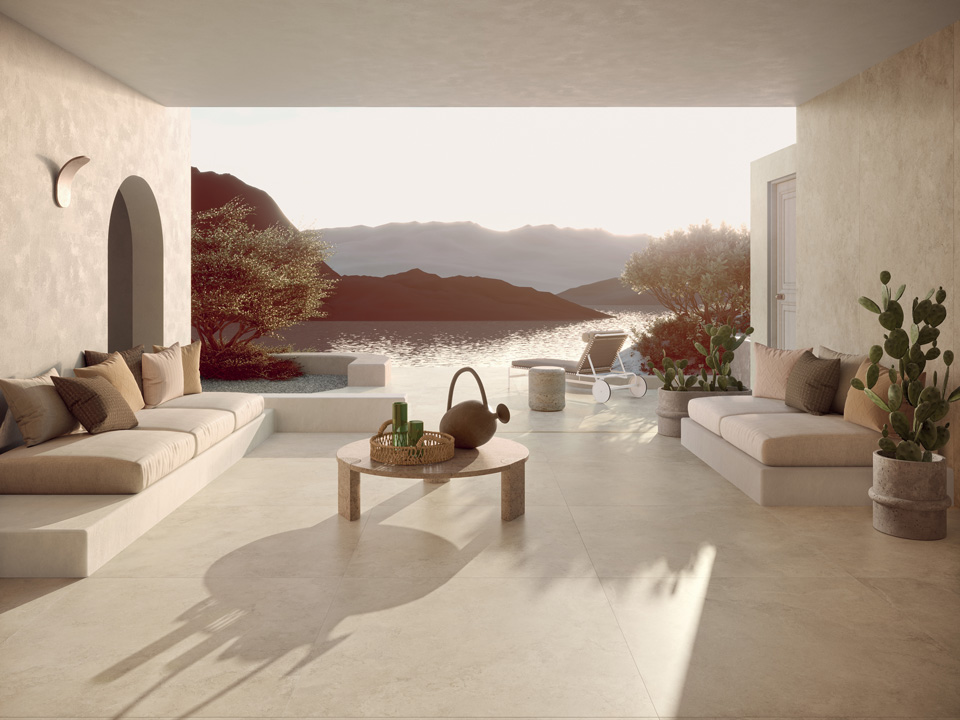
In 2026, sterile white gives way to more emotional shades, capable of warming the atmosphere. Achieving this effect calls for a true return to the earth. Deep clays, golden sands and terracotta tones: these interior colours are not mere pigments, but echoes of nature brought into our living spaces.

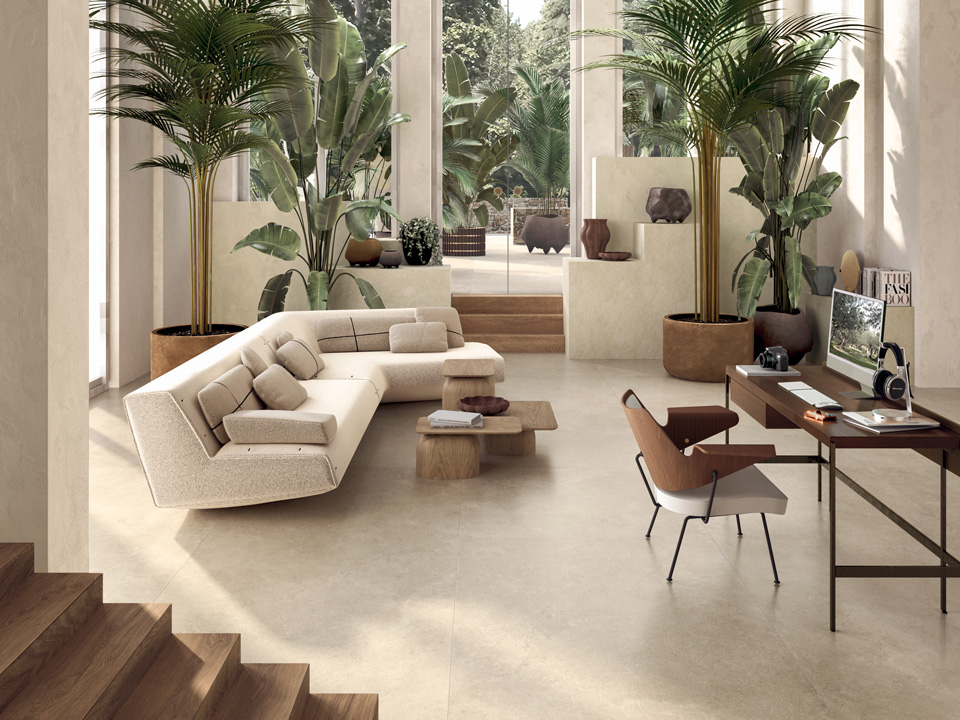
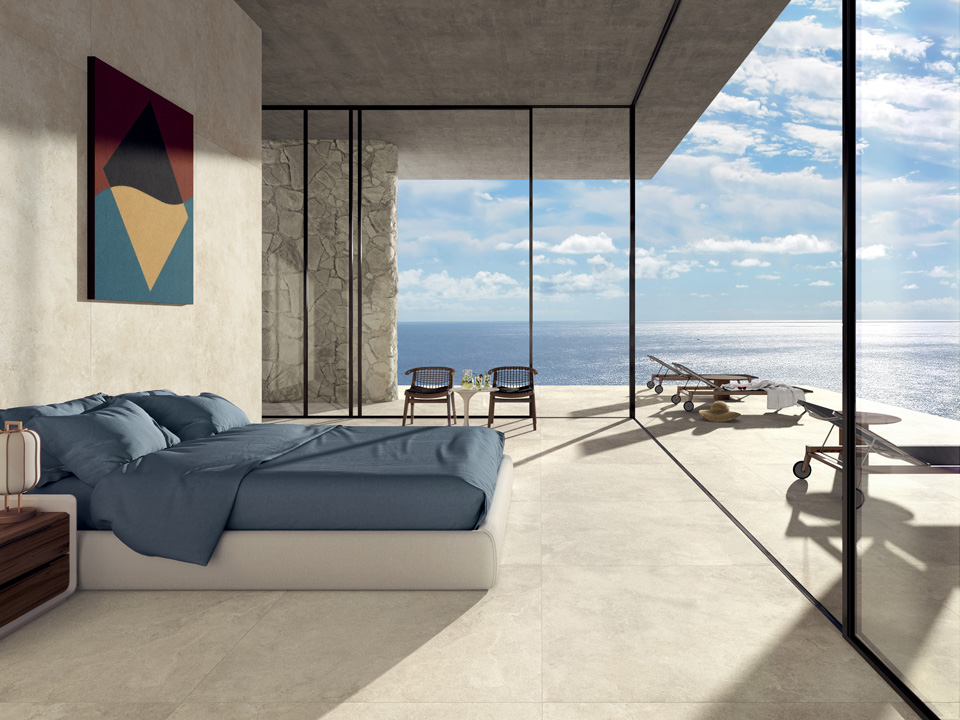
The Solaris collection by Cotto d’Este is a perfect example: its natural stone shades evoke the warm atmosphere of a Mediterranean home set among olive trees.

2. Ethical materials for a return to responsible beauty

How can we make our interiors more sustainable and environmentally responsible? This question has become the cornerstone of contemporary interior design. Luxury, in particular, is now inseparable from environmental responsibility.

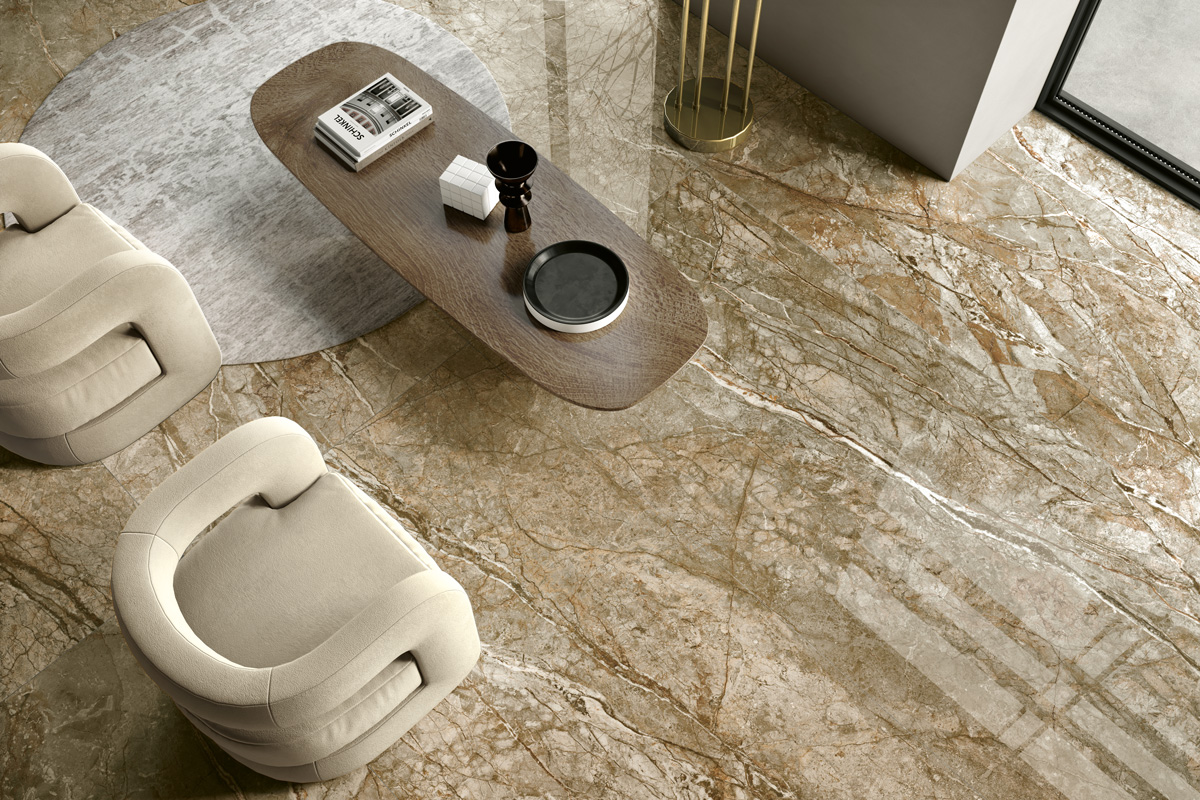
This approach is reflected in the choice of materials designed to stand the test of time while remaining environmentally responsible. A prime example is THINk ZERO porcelain stoneware. Going beyond aesthetics, these carbon-neutral surfaces are redefining interior design by proving that technology can be harnessed in favour of the climate.

3. Soft, fluid shapes

As a natural continuation of the first two trends, rigid lines and sharp angles give way to a more organic softness. Silhouettes become curved and flow into one another in a way that feels instinctively natural, while the boundaries between living areas are softened.

To achieve this effect, interiors combine surfaces that recall natural materials—such as stone-effect porcelain stoneware—with rounded sofas and softly contoured tables. This fluid approach to design reshapes the entire living space.

4. A unified and continuous space

Our lifestyles call for dynamic environments that can evolve over time. Interior design (in a living room, for example) is no longer static, but adapts to the changing rhythms of everyday life. The boundaries between professional and personal life are increasingly blurred, allowing modular spaces to fully express their value.

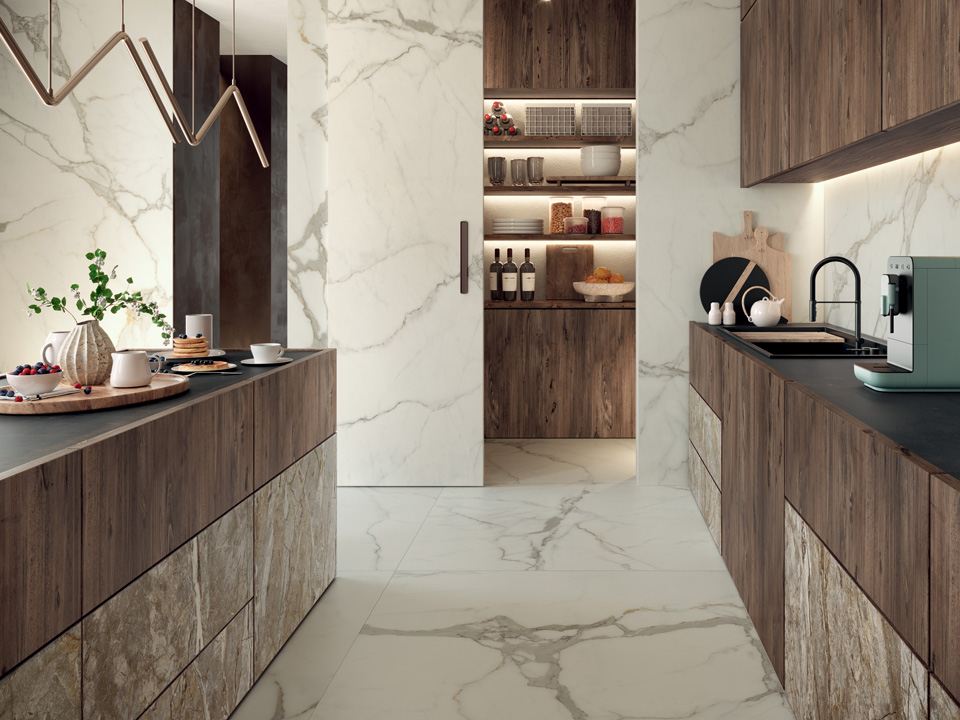
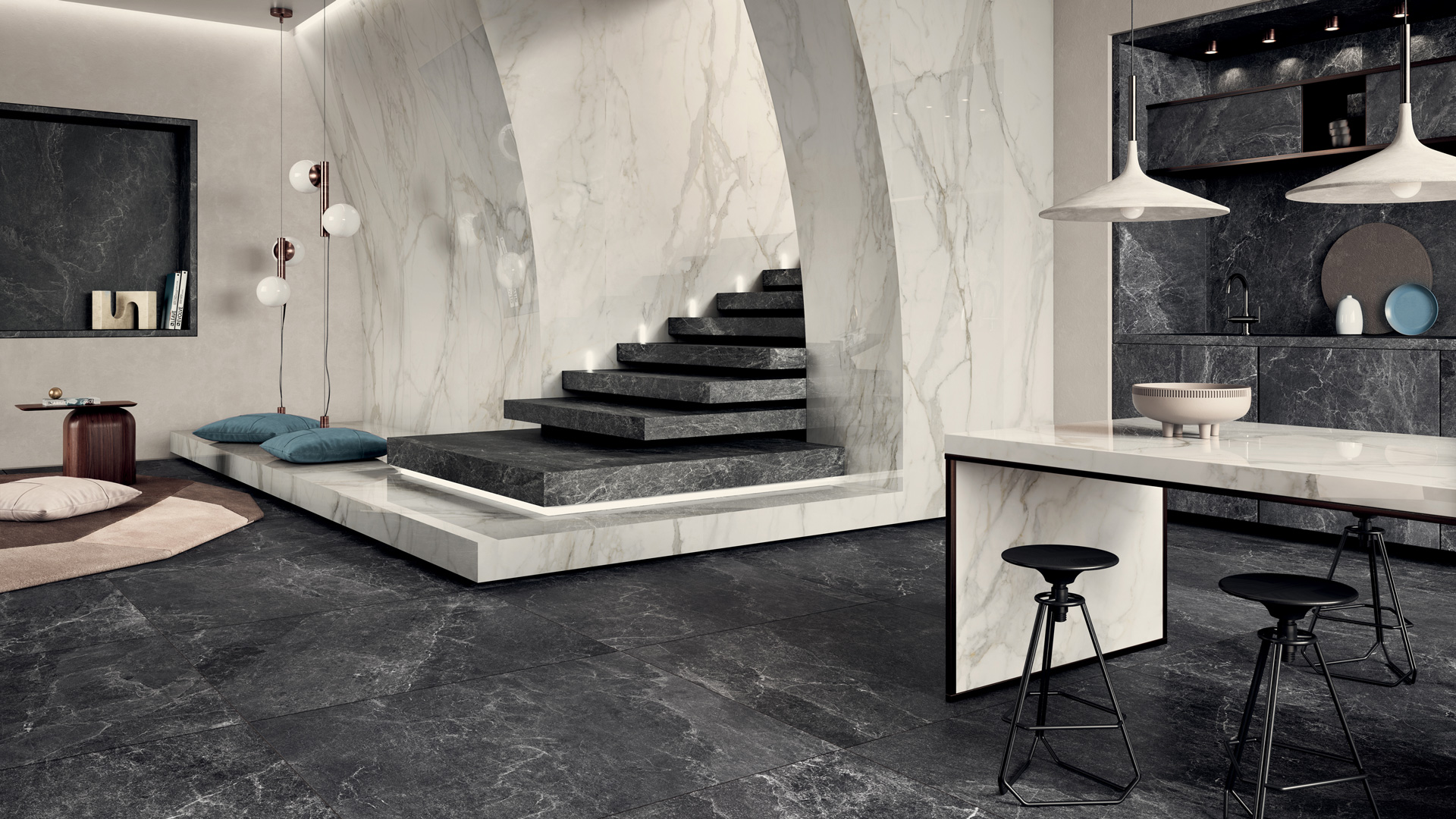
This spatial unity is achieved through the continuity of one or more elements. Flooring can become a single, uninterrupted surface extending from the kitchen to the terrace. For this reason, porcelain stoneware is widely used thanks to its seamless aesthetic, enabling different living areas to be connected in a fluid and harmonious way.

5. The artisanal touch

In the digital age, it is hardly surprising that interior design seeks to reconnect with the soul of traditional craftsmanship. The aim is to celebrate a controlled imperfection, expressed through objects and surfaces that tell a genuine story.

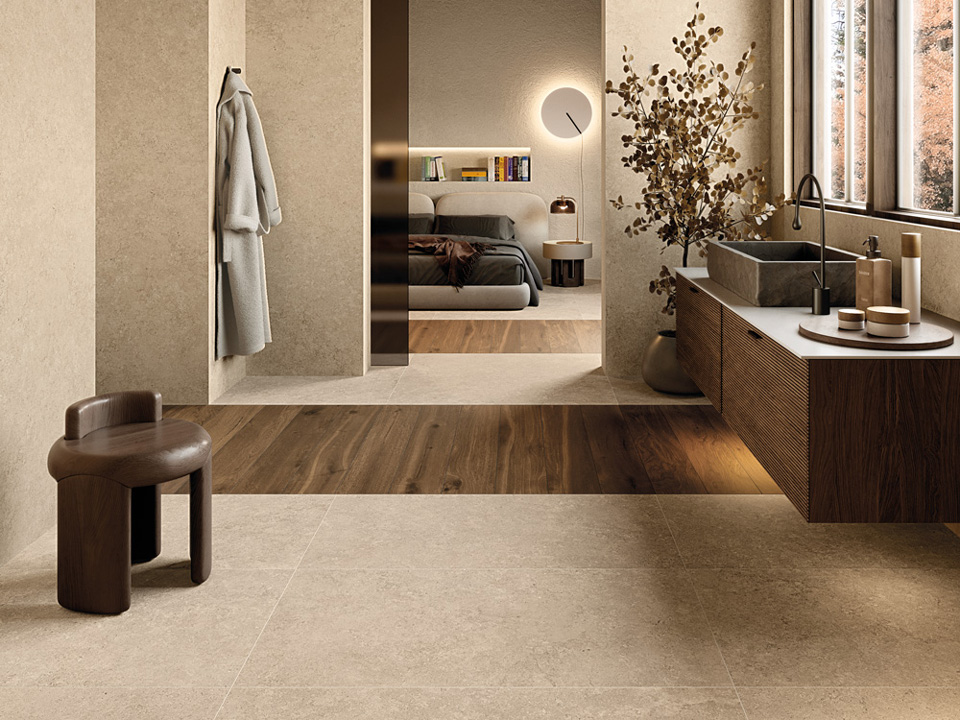
For example, the purity of the Pura collection, combined with a more traditional interior style, creates spaces rich in contrast, delivering an atmosphere that feels both luxurious and inviting.

6. Porcelain stoneware: THE material of 2026

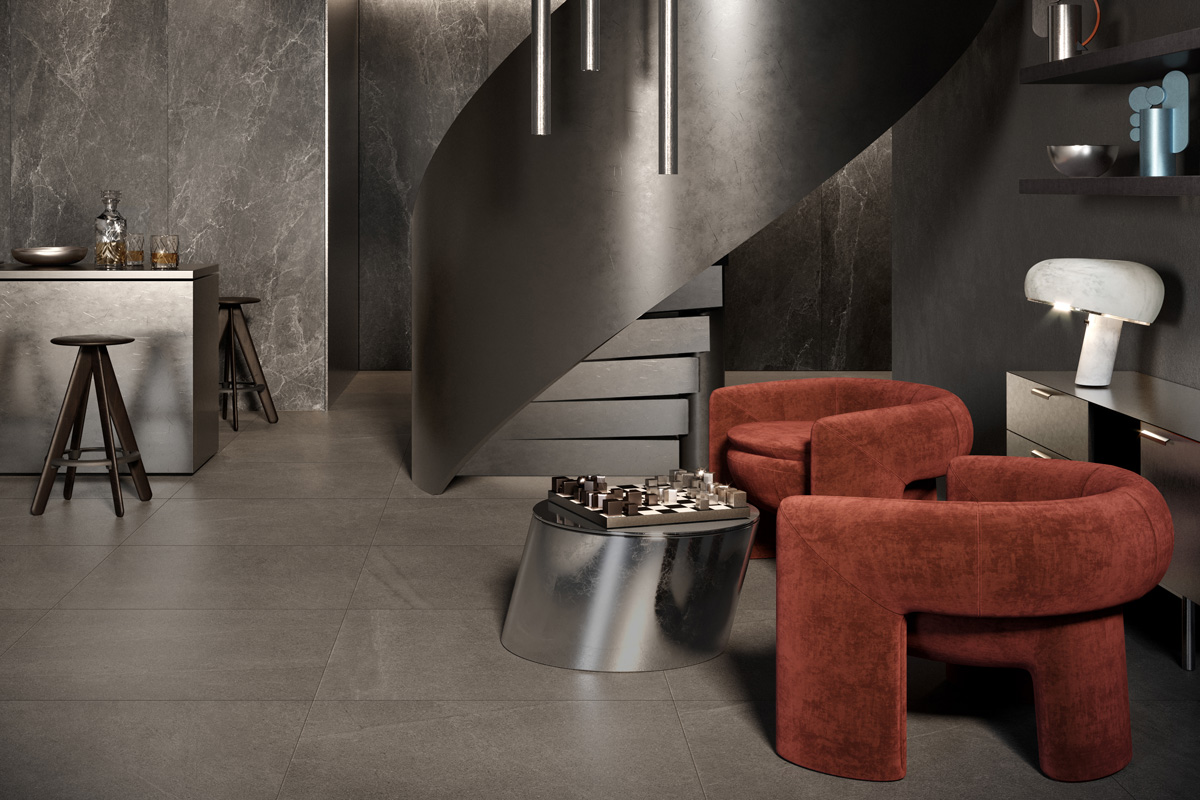
Whether in a refined industrial setting or a warm Scandinavian-inspired interior, porcelain stoneware stands out as the defining material of 2026. Its strength? It does not merely imitate, but interprets materials with ever-greater versatility.

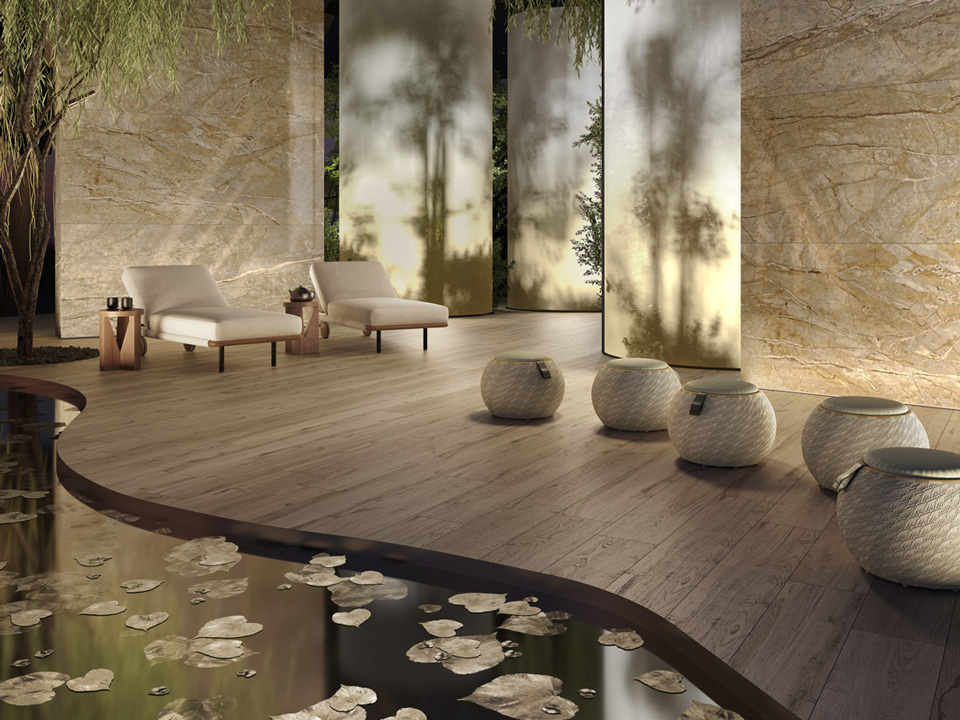
Its outstanding technical performance, combined with striking realism, allows it to be available in a wide range of colours, surfaces and effects. A perfect example is the Wood Plank collection, which celebrates a wood-effect porcelain stoneware inspired by the natural beauty of oak.

7. Biophilic design

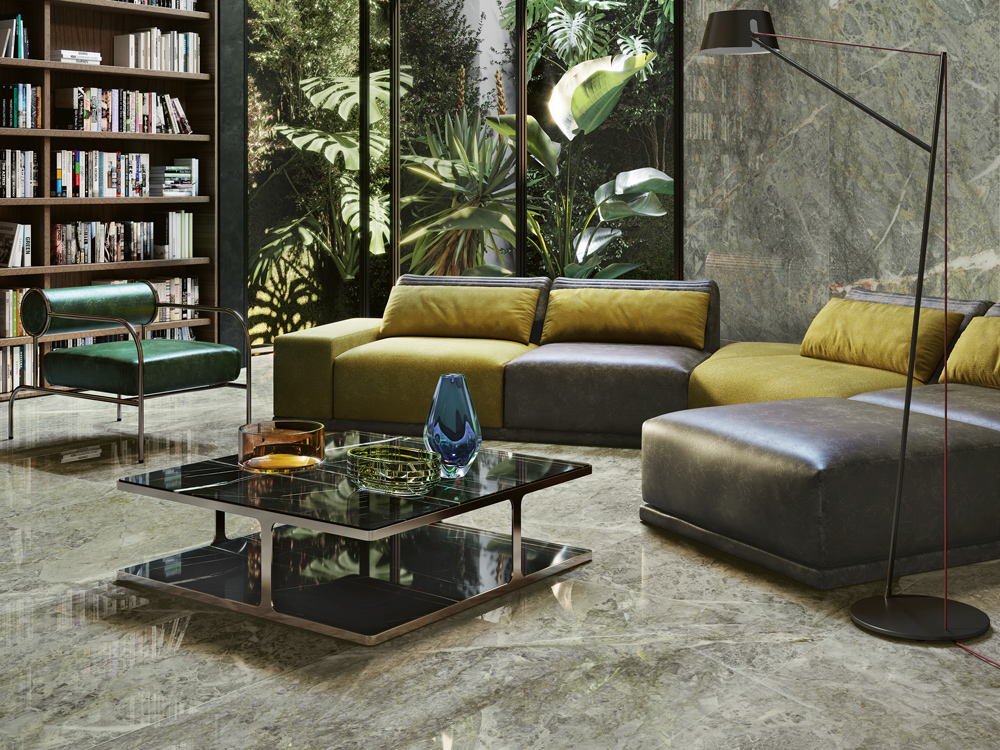
In 2026, the goal is to bring nature into the home, creating a sense of continuity in which the surrounding landscape blends seamlessly with interior spaces.

One of the most effective ways to achieve this atmosphere is through the use of wood-effect surfaces or stone for floors and walls. The aim is to blur the boundaries with the outdoors: ceramic tiles become a connecting element with nature, rather than a sharp separation from it.

Which interior design trends will shape 2026?

Rather than marking a sudden break or a complete change in direction, 2026 will represent the culmination of a gradual transition, where the boundary between nature and interior design continues to fade.

Architecture becomes more conscious, and every decision—from furniture colours to the adoption of sustainable materials—contributes to a broader narrative: an ongoing pursuit

YOU MAY ALSO BE INTERESTED IN

Follow us on social media

facebook instagram/cottodeste pinterest/cottodeste youtube/cottodeste linkedin/cottodeste

SUBSCRIBE TO OUR NEWSLETTER

Subscribe to the newsletter to receive exclusive dedicated offers.